Ay Aurora - Carlos Gardel Übersetzung ins Englische
Aurora
(Ay
Aurora)
Aurora
(Ay
Aurora)
Música
de
Carlos
Gardel
Música
de
Carlos
Gardel
José
Francisco
Razzano
"El
oriental"
José
Francisco
Razzano
"El
oriental"
Cantor.
(25
de
febrero
de
1887
- 30
de
abril
de
1960)
José
Francisco
Razzano
nació
en
Montevideo
(capital
de
la
República
Oriental
del
Uruguay),
a
pocos
pasos
de
la
Plaza
Independencia
en
una
casa
de
la
calle
Policía
Vieja
N°
14,
el
25
de
febrero
de
1887.
Dos
años
apenas
tenía
cuando
ante
la
desaparición
de
su
padre,
su
madre
se
traslada
a
Buenos
Aires,
barrio
de
Balvanera
(en
aquel
entonces
arrabal,
hoy
integrado
a
la
zona
céntrica).
José
Razzano
falleció
en
Buenos
Aires
el
30
de
abril
de
1960.
Personaje
controvertido
trató
de
frenar
muchas
cosas
que
Gardel
quería
hacer
hasta
que
fue
reemplazado
por
Armando
Defino.
Tiene
en
Cristina,
su
hija
una
defensora
devota
de
su
actuación
con
Carlitos.
.
Cantor.
(February
25,
1887
- April
30,
1960)
José
Francisco
Razzano
was
born
in
Montevideo
(capital
of
the
Eastern
Republic
of
Uruguay),
a
few
steps
from
Plaza
Independencia
in
a
house
on
Calle
Policía
Vieja
N°
14,
on
February
25,
1887.
He
was
barely
two
years
old
when
before
the
disappearance
of
his
father,
his
mother
moved
to
Buenos
Aires,
Balvanera
neighborhood
(at
that
time
a
suburb,
today
integrated
into
the
downtown
area).
José
Razzano
died
in
Buenos
Aires
on
April
30,
1960.
Controversial
character
tried
to
stop
many
things
that
Gardel
wanted
to
do
until
he
was
replaced
by
Armando
Defino.
She
has
in
Cristina,
her
daughter,
a
devoted
defender
of
her
performance
with
Carlitos.
.
Vals
(3)
9 de
mayo
de
1919
(Dúo
con
Razzano)
(1919)
Waltz
(3)
May
9,
1919
(Duet
with
Razzano)
(1919)
Con
este
título
grabó
este
vals
en
1919
el
dúo
Gardel-Razzano,
con
la
guitarra
de
José
Ricardo.-
With
this
title
the
Gardel-Razzano
duo
recorded
this
waltz
in
1919,
with
José
Ricardo's
guitar.-
Número
de
la
prueba
matriz
de
la
casa
grabadora
55
Nº
de
orden
de
publicación
o
de
grabación
de
la
primera
aparición
del
título:
37.
Nº
secuencial
de
grabación:
41
Number
of
the
test
matrix
of
the
recording
house
55
No.
of
the
order
of
publication
or
recording
of
the
first
appearance
of
the
title:
37.
Sequential
recording
Nº:
41
Número
de
serie
del
disco
original
18016
Lado
A.
Duración
02'08"
Original
disc
serial
number
18016
Side
A.
Duration
02'08"
Se
encuentran
acá
una
repetición
de
número
de
las
matrices
con
la
numeración
que
traían
las
grabaciones
realizadas
en
1917.
El
acompañamiento
en
las
quitarras
fue
de
José
"el
negro"
Ricardo,
"primera
guitarra"
quien
empezó
en
1916;
permaneció
13
años
con
Gardel
y
se
desvinculó
de
él
en
mayo
de
1929
en
forma
abrupta
mientras
actuaban
en
Madrid
cuando
resolvió
retornar
a
Buenos
Aires
y
José
Razzano;
tenor
de
buena
afinación,
que
sonaba
adecuadamente
con
el
registro
de
Gardel.
Su
colaboración
se
inicia
en
mayo
de
1917
y
llega
hasta
1925,
cuando
Razzano,
con
su
garganta
seriamente
afectada
deja
de
cantar.
Sigue
como
secretario
particular
y
de
representación.
Alrededor
de
1928,
José
Razzano
intenta
volver
a
su
actividad
artística.Aquí
da
la
sensación
de
que
Don
Carlos
Gardel
cantó
la
segunda
voz.
A
repetition
of
the
number
of
the
matrices
with
the
numbering
that
the
recordings
made
in
1917
brought
are
found
here.
The
accompaniment
in
las
quitarras
was
by
José
"el
negro"
Ricardo,
"primera
guitarra"
who
started
in
1916;
he
stayed
13
years
with
Gardel
and
parted
ways
with
him
in
May
1929
in
the
form
abrupt
while
they
were
performing
in
Madrid
when
he
decided
to
return
to
Buenos
Aires
and
José
Razzano;
tenor
of
good
tuning,
which
sounded
adequately
with
Gardel's
register.
Their
collaboration
began
in
May
1917
and
lasted
until
1925,
when
Razzano,
with
his
throat
seriously
affected,
stopped
singing.
He
continues
as
a
private
and
representative
secretary.
Around
1928,
José
Razzano
tries
to
return
to
his
artistic
activity.Here
it
seems
that
Don
Carlos
Gardel
sang
the
second
voice.
Tema:
Quejas
por
un
amor
que
olvida.
Subject:
Complaints
about
a
love
that
forgets.
¡Ay
Aurora
me
has
echado
al
abandono,
Oh
Aurora
you
have
thrown
me
into
abandonment,
Yo
que
tanto
y
tanto
te
querido!
I
love
you
so
much
and
so
much!
¡Ay
Aurora
me
has
echado
al
abandono,
Oh
Aurora
you
have
thrown
me
into
abandonment,
Yo
que
tanto
y
tanto
te
querido!
I
love
you
so
much
and
so
much!
Y
tu
negra
traición
me
echó
al
olvido,
And
your
black
betrayal
threw
me
into
oblivion,
¡ay
Aurora
si
te
amo
todavía!
oh
Aurora
if
I
still
love
you!
Mas
yo
no
puedo
castigarla
como
debo
esa
falsía,
But
I
cannot
punish
her
as
I
owe
that
falsehood,
Castígala
Señor,
con
toda
tu
energía,
Punish
her,
Lord,
with
all
your
energy,
Que
sufra
mucho
pero
que
nunca
muera,
May
I
suffer
a
lot
but
may
I
never
die,
¡ay
Aurora
si
te
amo
todavía!
oh
Aurora
if
I
still
love
you!
Mas
no
pretendas,
recuperar
el
trono,
But
do
not
pretend,
to
regain
the
throne,
Que
tenías
en
mi
pecho
y
lo
has
perdido.
That
you
had
in
my
chest
and
you
have
lost
it.
Mas
no
pretendas,
recuperar
el
trono,
But
do
not
pretend,
to
regain
the
throne,
Que
tenías
en
mi
pecho
y
lo
has
perdido;
That
you
had
in
my
chest
and
you've
lost
it;
Hasta
el
fondo
del
alma
lo
has
tenido,
To
the
bottom
of
your
soul
you've
had
it,
Y
del
fondo
de
mi
alma
te
perdono.
And
from
the
bottom
of
my
soul
I
forgive
you.
Mas
yo
no
puedo
castigarla
como
debo
esa
falsía,
But
I
cannot
punish
her
as
I
owe
that
falsehood,
Castígala
Señor,
con
toda
tu
energía,
Punish
her,
Lord,
with
all
your
energy,
Que
sufra
mucho
pero
que
nunca
muera,
May
I
suffer
a
lot
but
may
I
never
die,
¡ay
Aurora
si
te
amo
todavía!
oh
Aurora
if
I
still
love
you!
Mas
yo
no
puedo
castigarla
como
debo
esa
falsía,
But
I
cannot
punish
her
as
I
owe
that
falsehood,
Castígala
Señor,
con
toda
tu
energía,
Punish
her,
Lord,
with
all
your
energy,
Que
sufra
mucho
pero
que
nunca
muera,
May
I
suffer
a
lot
but
may
I
never
die,
¡ay
Aurora
si
te
amo
todavía!
oh
Aurora
if
I
still
love
you!
Bewerten Sie die Übersetzung
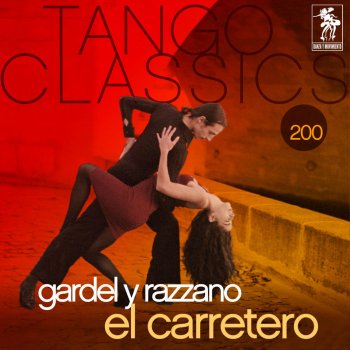
1
Mi Caballo y Mi Mujer
2 Canto de la Selva
3 Chinita Linda
4 El Sapo y la Comadreja
5 Contrastes
6 La Tropilla (El Triunfo)
7 Mi Pañuelo Bordao
8 El Vagabundo
9 Mi Estrella
10 Dos Cosas Te Pido
11 La Pueblera
12 Hasta Besarla Llegué
13 Los Rosales Se Han Secao
14 Amame Mucho
15 Mis Perros
16 El Carretero
17 Campanitas
18 La Pastora
19 Ay Aurora
20 Ay Elena
2 Canto de la Selva
3 Chinita Linda
4 El Sapo y la Comadreja
5 Contrastes
6 La Tropilla (El Triunfo)
7 Mi Pañuelo Bordao
8 El Vagabundo
9 Mi Estrella
10 Dos Cosas Te Pido
11 La Pueblera
12 Hasta Besarla Llegué
13 Los Rosales Se Han Secao
14 Amame Mucho
15 Mis Perros
16 El Carretero
17 Campanitas
18 La Pastora
19 Ay Aurora
20 Ay Elena
Aufmerksamkeit! Hinterlassen Sie gerne Feedback.